Master Advanced Sidechain Techniques: How to Sidechain Individual Layers Like a Pro
 By Freddie HarbDecember 12, 20242 min read
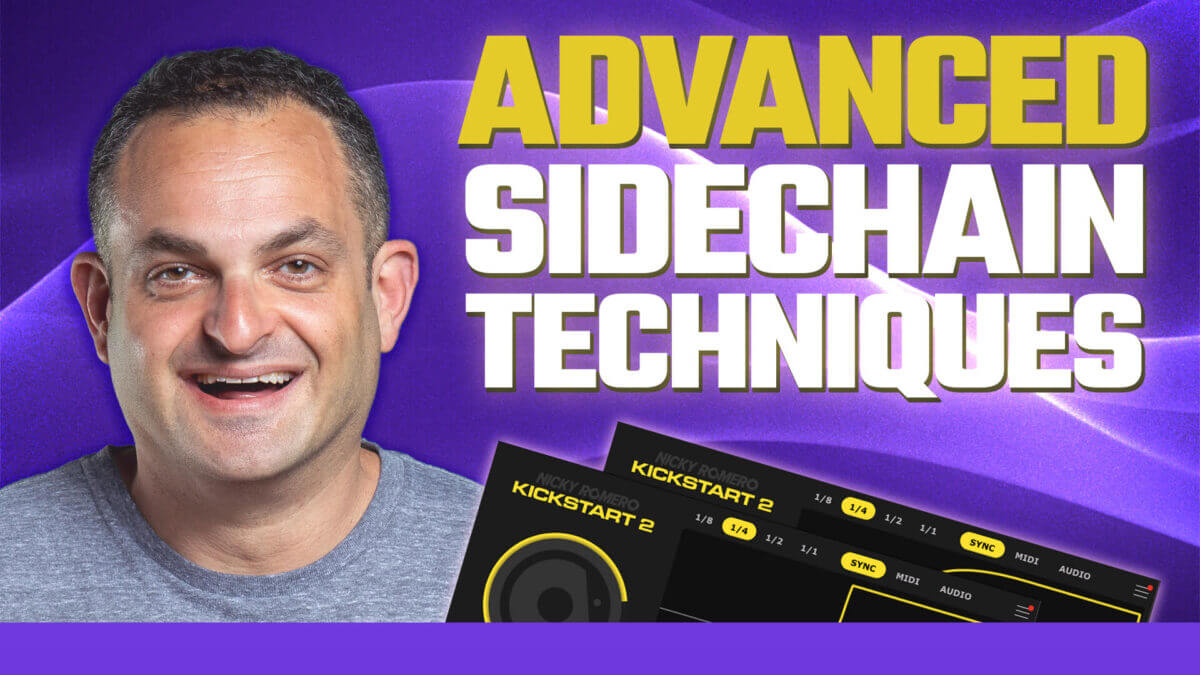
If you’re a music producer looking to enhance your tracks with precise control, learning how to sidechain individual layers can be a game changer. In this post, we’ll break down the advanced techniques shared in our latest video. Whether you’re working on bass, synths, or any other layered sounds, this guide will teach you how to achieve a polished, dynamic mix using creative sidechaining methods.
Why Sidechaining Matters
Sidechaining is a vital technique in music production that allows you to control the interaction between different elements in your mix. Most commonly used for ducking a bassline under a kick drum, sidechaining adds clarity, groove, and dynamic movement. However, applying individual sidechains to layers within a sound can open up a new level of creative possibilities.
Tips for Advanced Sidechaining
Understand the Role of Each Layer
Before applying sidechains, identify the purpose of each layer. Is it adding warmth, presence, or punch? This understanding will guide your sidechain decisions.
Experiment with Attack and Release Times
Use different attack and release settings for each layer’s sidechain. For example:
A fast attack on the sub-bass ensures tight ducking for the kick.
A slightly slower attack on the mid-range allows it to blend more naturally.
Use Multi-Band Sidechaining
If your plugin or DAW supports it, try multi-band sidechaining to target specific frequency ranges. This approach gives even more control and avoids over-processing other frequencies.
Layer-Specific Sidechains for Rhythmic Effects
Apply different sidechain rhythms to layers for added movement. For instance, stagger the release times across layers to create an evolving groove.
Monitor Your Dynamics
Always use a meter or visual tool to check how much gain reduction is being applied to each layer. This ensures you’re not over compressing or losing the dynamics of your track.
Mastering the art of sidechaining individual layers is a subtle but powerful technique that can elevate your productions. Whether you’re focusing on bass, synths, or other layered elements, experimenting with different sidechains per layer will give you more control and precision. This approach allows each part of your mix to shine while maintaining balance and coherence.
Advanced sidechaining tips like these can completely transform your music production workflow. Don’t stop at the basics, dive into individual layer sidechaining to achieve more polished and professional mixes.
If you found this post helpful, be sure to check out the video for a deeper dive into the technique, and don’t forget to subscribe to the channel for more production tips and tricks. Let’s level up your mixes together!
Want the setup I use? It is yours, free.